
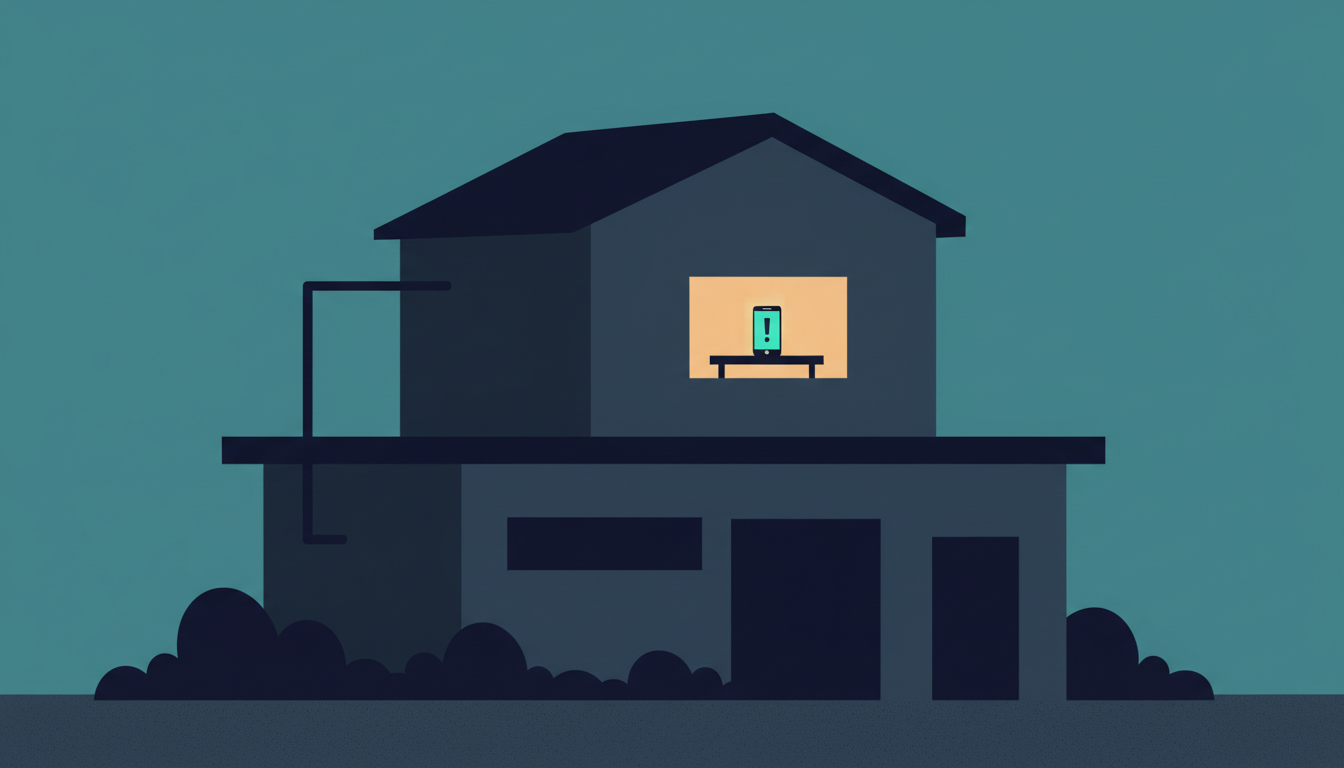
Seattle City Light reported in August that scam calls to its customers are on the rise. The caller claims to be from the utility, says the account is past due, and warns that the power will be shut off unless the customer pays right away. City Light has not said how much money customers have lost.
The demand itself gives the scam away. City Light’s advice is that a caller who pushes for immediate payment, instead of offering a payment plan, is a scammer. Its employees never phone, email, or visit to demand instant payment to stop a shutoff. Utilities are a lot of things, but spontaneous is not one of them.
This scam does not need a clever story. The writing will never win an award, and it does not have to. It only needs a bill that feels believable, and when household budgets are tight, a late bill is easy to believe. Capable, careful people fall behind for plenty of reasons that have nothing to do with carelessness. When a call lands in the middle of that, the pretext fits the person’s real life. The brain skips the question “is this real?” and jumps to “how bad is this?” Criminals count on that pressure to do their work for them.
Then stress takes over. Stress causes cognitive compression, which means your thinking narrows to the next instruction. A threat to the power makes that worse than most threats because the stakes are physical: heat, light, food in the refrigerator, a charged phone, a medical device, kids at home. The caller never has to say any of it out loud. The mind fills it in, and the next instruction (pay now) starts to sound like the only way out.
Shame adds a second push. Most people do not want to be the one whose power gets cut off, or the one who has to explain why a bill went unpaid. A caller who offers a quick, private fix sounds like relief, and paying fast and telling no one feels safer than calling the utility to admit a problem. Criminals build their scripts around exactly this reflex, which is why these calls reach people who are otherwise careful.
A real shutoff does not work this way. In Washington, electric companies regulated by the state must send at least two separate disconnection notices, and the first must be a paper notice that reaches the home at least eight business days before the shutoff date. The notices must say how much is owed and how to avoid disconnection, including payment plans and assistance programs. Seattle City Light is city-owned and sets its own policy. It says it sends two notices, an Urgent Notice and a Final Shutoff Notice, before a shutoff for nonpayment. Rules differ by state and by utility, so check your own provider’s disconnection policy. A shutoff that arrives as a single phone call with a deadline of right now is not how the process works. Real shutoffs run on paper, patience, and a few business days. Scammers have no paper and no patience.
Real notices do exist, though, and City Light says a missed notice does not stop a shutoff. Keep your contact information current, open your mail, and call the utility early if a bill is going to be late. City Light offers payment plans, bill assistance, and a discount program for income-eligible customers, and asking about them early gives you the most options.
So have a plan for the moment the call comes. Make a joke. Say a prayer. Force yourself to slow down and breathe. Anything that breaks the cycle buys the few seconds your judgment needs to catch up. Then give the script something it cannot handle: “Thanks for calling! I have a jar of buttons and a coupon for a free sandwich. Will that cover it?” Scammers rehearse for objections. Nobody trains for the sandwich coupon. Then hang up.
Red flags
- A caller who demands payment right away to avoid a shutoff. City Light says its staff never do this.
- No offer of a payment plan. Real utilities will work with you on one.
- A shutoff threat that comes with no written notices beforehand.
- Caller ID that looks right. Numbers can be faked, so caller ID proves about as much as a name tag at a costume party.
What to do today
- Hang up. This is allowed, and the caller will survive. Look up your utility’s number yourself and check your account. For Seattle City Light, that number is (206) 684-3000.
- If a bill really is behind, ask the utility about a payment plan, bill assistance, and the discount program before the problem grows.
- Report scam attempts to City Light through its online form at citylight.seattle.gov/scam.
- If money already went out, call your bank or card company right away, report it at ReportFraud.ftc.gov, and report it to Seattle Police at (206) 625-5011.
- Tell someone you trust. Scammers need you isolated, and a late bill is nothing to be ashamed of.
Sources:
KIRO 7, Aug 18, 2026: https://www.kiro7.com/news/local/seattle-city-light-sees-uptick-phone-scams/3TNXOVA7YZD4BITQQ2VTVQ3K4Q/
MyNorthwest, Aug 18, 2026: https://mynorthwest.com/crime-blotter/seattle-city-light-scam/4267080
Seattle City Light, Disconnection Resources (accessed Oct 19, 2026): https://www.seattle.gov/city-light/start-or-stop-service/disconnection-resources
Washington Administrative Code 480-100-128, Disconnection of service (accessed Oct 19, 2026): https://www.law.cornell.edu/regulations/washington/WAC-480-100-128